

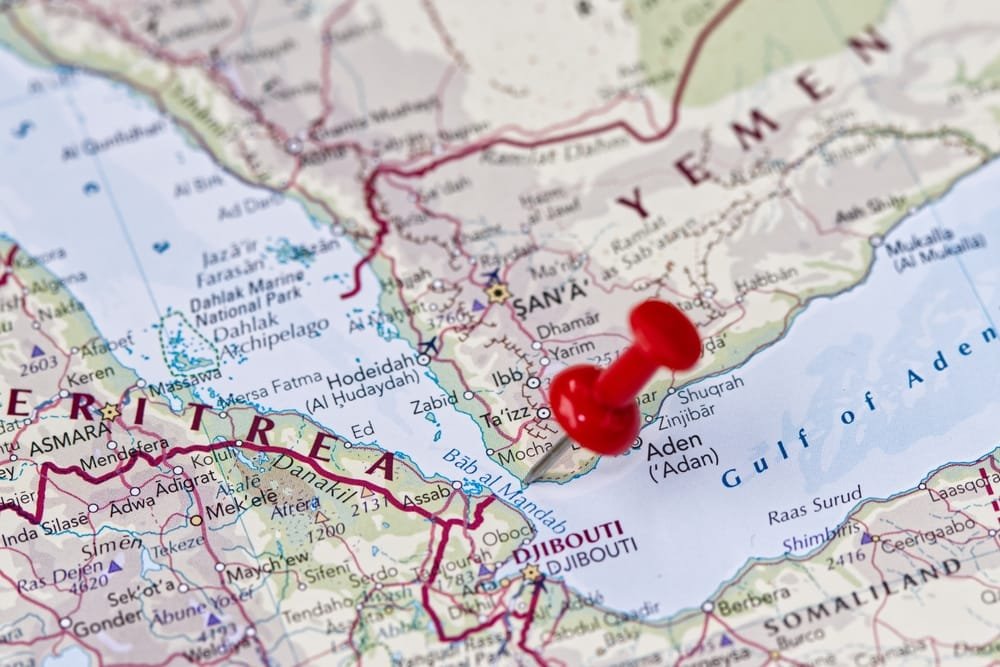
The Axis of Resistance and Iranian Deterrence
The principal objectives of Iranian security doctrine, shaped by the trauma of Iraq’s invasion in 1980, have been the preservation of territorial integrity, regime survival, and the prevention of direct military attacks on Iranian soil. Iranian deterrence has relied on both its missile arsenal and the concept of “forward defence.” In practice, forward defence involves engaging adversaries in third countries, far from Iran’s borders, while simultaneously providing Tehran with strategic depth across the region.
Forward defence materialized through the Axis of Resistance, a network of state actors (including Syria until 2024) and non-state militant groups, such as Hezbollah, the Iraqi Shi’a militia coalition known as the Popular Mobilization Units, Hamas, Palestinian Islamic Jihad, and the Houthi movement. Under the leadership of the Quds Force, an extraterritorial unit of the Islamic Revolutionary Guard Corps (IRGC), the Axis of Resistance sought to deter Iran’s adversaries through asymmetric warfare. Tehran pursued an indirect, attritional strategy designed to weaken its opponents while avoiding decisive conventional military confrontation.
This strategy also reflected Iran’s limitations in conventional military capabilities, particularly in its air force, navy, and ground forces. Until October 7, 2023, the Axis of Resistance served as a relatively effective pillar of Iranian deterrence.
The Emergence of the Houthis and Iran’s Role
The Houthi movement emerged in the early 1990s as a socio-religious organization advocating the rights and interests of Yemen’s Zaydi community, a branch of Shi’a Islam. Until 2004, it largely operated through non-violent political and social activism. However, repeated attempts by the Yemeni government to suppress the movement militarily led to the Six Sa’dah Wars, transforming the Houthis into a powerful insurgent force in northern Yemen.
The political upheaval triggered by the Arab Spring and the subsequent collapse of state authority created conditions that facilitated the Houthis’ military and political rise. By 2014, the movement had seized control of the capital, Sana’a, and substantial portions of Yemeni territory.
The intervention of Gulf states in 2015, led by Saudi Arabia, was motivated by concerns that Houthi dominance in Yemen would pose a direct threat to Saudi national security. Riyadh has traditionally regarded Yemen as its strategic “soft underbelly,” making the emergence of a hostile force on its southern border unacceptable from a security perspective.
Iran, which had maintained contacts with Houthi leaders since the 1990s, deepened its engagement following the movement’s battlefield successes. What began as limited cooperation during the early stages of the Arab Spring gradually evolved into a strategic partnership. Tehran’s principal motivation was to counter Saudi regional influence, particularly during the Syrian civil war, where Iran supported the Assad government while Saudi Arabia backed anti-Assad rebel forces.
With Iranian assistance, the Houthis acquired increasingly sophisticated military capabilities, including ballistic missiles, cruise missiles, unmanned aerial systems (UAS), as well as military training and operational guidance. These capabilities enabled them to strike targets deep inside Saudi Arabia and the United Arab Emirates while threatening maritime traffic in the Red Sea. Over time, Houthi military capabilities became one of Tehran’s most effective instruments of regional deterrence.
The Post-October 7 Middle East and the New Rules of Engagement on the Yemeni Front: The Weaponization of Geography
The regional conflict that followed the events of October 7 created strategic opportunities for the Houthis. Their participation in the conflict strengthened their domestic legitimacy, which had already begun to erode, while enhancing their regional profile. For Iran, the Yemeni front proved to be of considerable strategic value. Through the Houthis, Tehran effectively weaponized geography, exerting pressure on both the United States and Israel while maintaining plausible deniability.
Through a sustained campaign against maritime traffic in the Red Sea, the Houthis disrupted one of the world’s most critical maritime trade corridors. Attacks on nearly one hundred vessels forced many shipping companies to reroute traffic around the Cape of Good Hope, adding approximately 11,000 nautical miles to voyages and significantly increasing transportation costs and delivery times. .
The Red Sea consequently emerged as a strategic theatre in which relatively inexpensive military technologies—including Soviet-era missile systems, aerial and naval drones, and sea mines—enabled Iran and its allies to impose substantial costs on technologically superior adversaries. For the first time, Tehran successfully leveraged geography through proxy forces to generate strategic effects extending far beyond the battlefield and into the global economy.
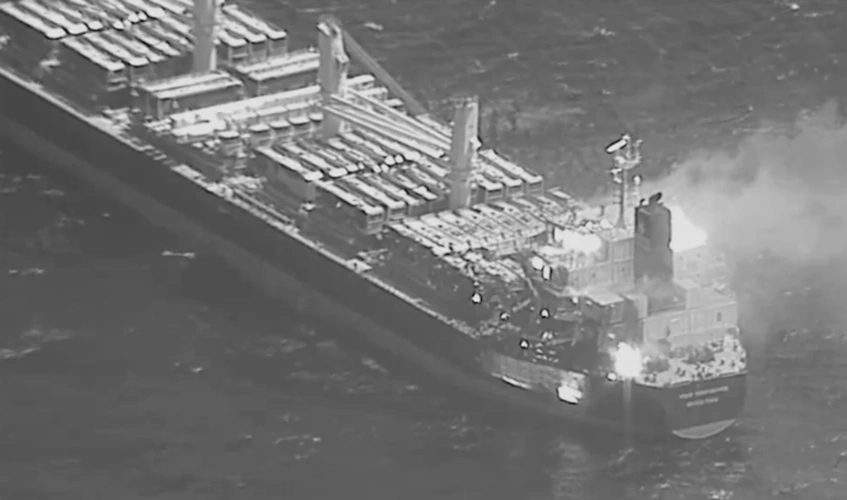
Picture 1. Houthis’ missile attack against the vessel MV True Confidence in the the Gulf of Aden, on March 6, 2024.
The Role of China and Russia in the Red Sea
With the beginning of Houthi military operations in the Red Sea, China initially reached an understanding with the group through Iran. The Houthis undertook an obligation not to target Chinese or Chinese-affiliated vessels sailing through the Red Sea in exchange for diplomatic and logistical support. To secure the passage of its commercial fleet through the Red Sea, Chinese companies have reportedly supplied the Houthis with UAVs through Iran. Moreover, according to American sources, China, through its company CGSTL, provided the Houthis with satellite imagery that enabled them to strike elements of the U.S. fleet in the region with greater precision. The equipping of Houthi UAVs with Chinese hydrogen fuel-cell technology has also increased their operational range while reducing their radar signature against enemy detection systems.
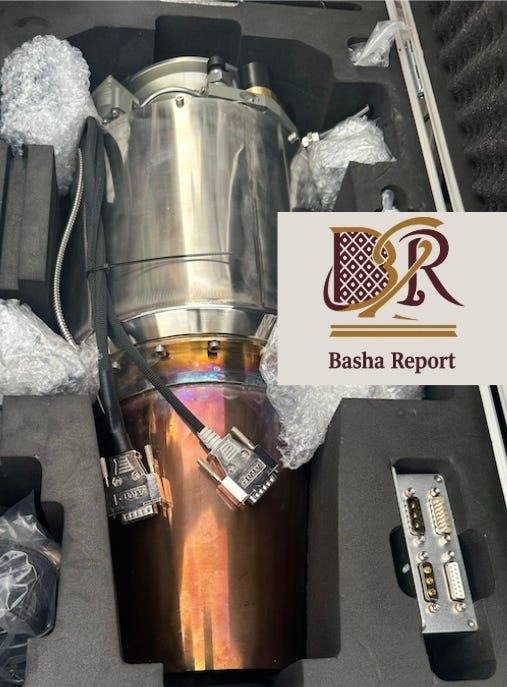
Picture 2. A ZT-40 turbojet engine for use in cruise missiles or high-speed UAVs. Seized at the Port of Aden from cargo aboard a Chinese vessel, on 7 August 2025.
As a result, unlike vessels connected to Western and Israeli interests, the number of Chinese ships transiting the Red Sea increased. In one of his speeches, Abdul-Malik al-Houthi referred to the threat posed to Chinese interests in the region by U.S. military activity against the Houthis:
“Defeating this nation [Yemen] in multiple ways, plunging it into countless problems and crises, involving it in other conflicts, settling scores with other rivals, including future confrontations with China … and others; therefore, they are enemies of this nation in every sense of the word” (Ansarollah 2024).
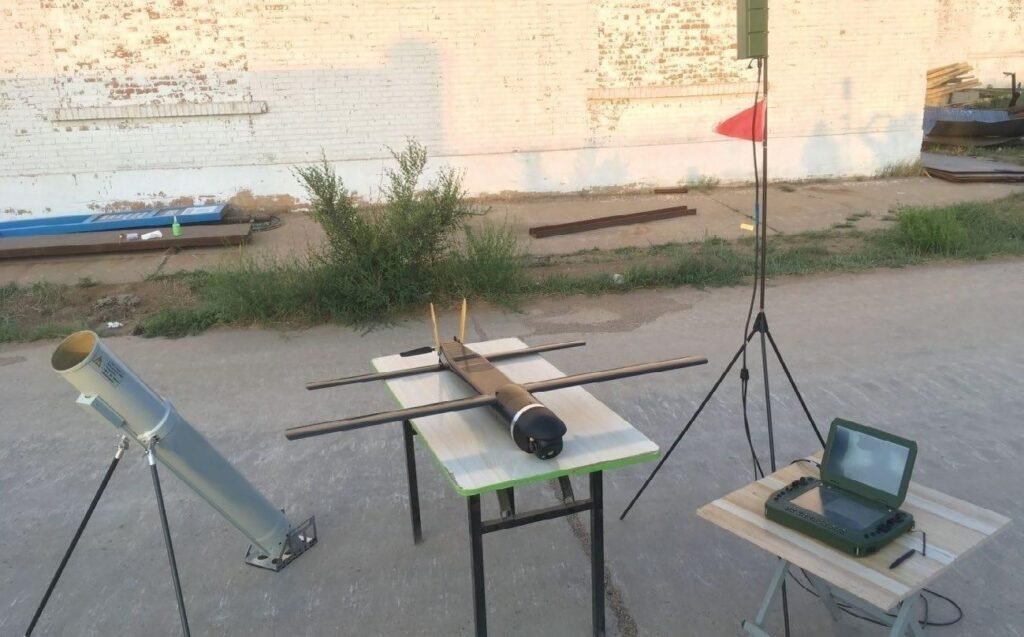
Picture 3. FH-901/901A Loitering UAV System, manufactured by China Defense Equipment Co. This sensitive cargo, which was likely intended for the Houthis, was seized at the Port of Aden by a Chinese vessel on August 7, 2025.
Russia, although it did not seek a full-scale conflagration in the Red Sea or the complete closure of the Gulf of Aden, viewed Houthi operations in the region positively. Beyond securing immunity from Houthi attacks against vessels linked to Russian interests, Moscow benefited from the strain imposed on Western economies, which were its geopolitical competitors during the war in Ukraine. A characteristic example of the rapprochement between Moscow and the Houthis was the visit of a Houthi delegation to the Russian Ministry of Foreign Affairs.
Russia also provided military assistance to the Houthis. Abdul-Malik al-Houthi himself, in a public speech in November 2024, hinted at cooperation between the Houthis, Russia, and Iran in the field of intelligence targeting the presence of the U.S. Navy in the region. He claimed that “the Houthis had precise nighttime intelligence regarding the position of the aircraft carrier [USS Theodore Roosevelt] hundreds of miles off the coast of Yemen” (Al Basha 2024).
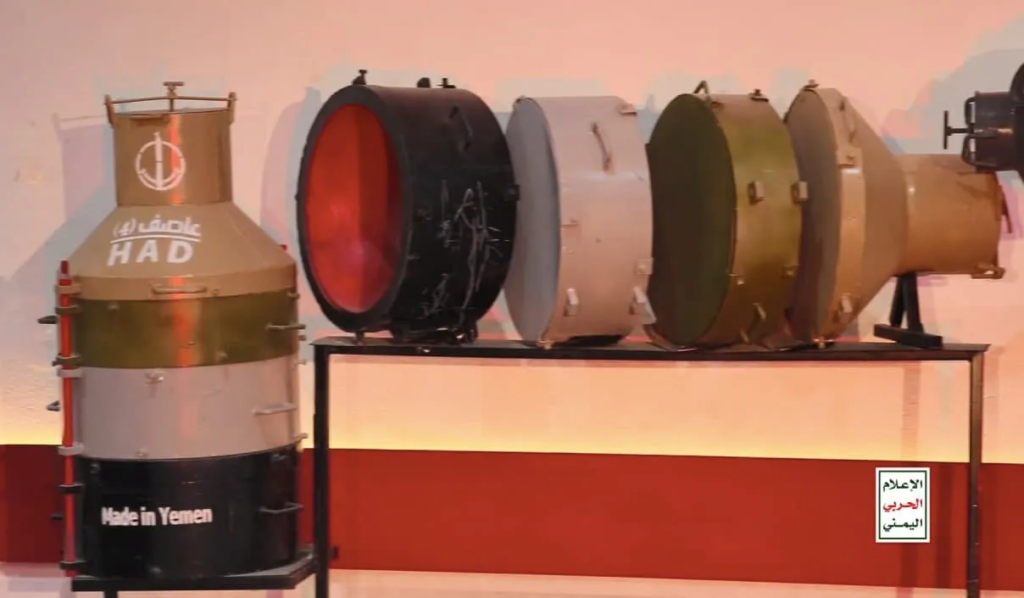
Picture 4. Asef naval mine. Designed to detect maritime targets by identifying their acoustic and magnetic signatures. It is a copy of the Iranian Maham mine, while incorporating technologies from the Russian MDM and Chinese EM naval mines. It is manufactured in Yemen.
Iran’s Survival Strategy and Tehran’s Posture in the Red Sea
Iranian decision-makers remain acutely aware of their military disadvantages relative to the Israeli and United States military capabilities. Consequently, after the outbreak of the recent war, Tehran adopted an asymmetric strategy based on decentralized command structures, force dispersion, missile deterrence, and the weaponization of geography. The Houthis’ previous military activities in the Red Sea and their disruption of maritime traffic provided Iran with valuable lessons.
Geography has arguably become as valuable to Iran as its missile arsenal. Beyond the formidable terrain that complicates any potential ground invasion, Iran retains the ability to threaten maritime transit through a possible closure of the Strait of Hormuz closure. Such a disruption would impose severe economic costs on both the global economy and the U.S.-led international order.
In a highly interconnected global economy, the disruption of normal commercial activity can produce strategic effects comparable to, or even exceeding, those generated by conventional military force. Through its control over the Strait of Hormuz and the Houthis’ geographical proximity to the Bab el-Mandeb Strait, Tehran possesses the ability to threaten critical maritime chokepoints that facilitate a substantial share of global trade.
The resulting economic shockwaves would extend far beyond the Gulf region, potentially triggering a global crisis affecting the energy sector, agriculture , and food security. Such developments could challenge American strategic dominance in ways that military power alone may not be able to neutralize.
Tehran’s primary objective appears to be increasing pressure on Washington in order to compel Israel to limit or halt its military operations in Lebanon and elsewhere in the region. A secondary objective is preventing Israel from undermining the possibility of a broader U.S.–Iran political accommodation that could eventually restore diplomatic relations, reduce Iran’s international isolation, and facilitate its reintegration into the global economy.
Conclusion
Since October 7, the Axis of Resistance has suffered significant setbacks, including the fall of Assad’s government and the weakening of Hezbollah. Consequently, it failed to prevent a direct U.S.–Israeli attack on Iranian territory, as it had done for almost three decades. Nevertheless, the Axis of Resistance remains a vital instrument of Iran’s regional security architecture.
The importance of the Axis, and particularly the role of the Houthis within this framework, is reflected in the statements of Quds Force commander General Esmail Qaani. During his first public appearance on June 15 on Iranian television, Qaani stated that “from the Strait of Hormuz to Bab al-Mandab and from the Persian Gulf to the Red Sea, there will be a new security belt of resistance.” Regardless, of the outcome of the renewed Iran-U.S peace negotiations, the Axis of The Resistance, adapted to the new strategic security environment, will be one of the main pillars of the Iranian national security doctrine.